
Construction Process
Common Causes of Construction Schedule Changes
Liri Builders Team · 2 min read · October 22, 2026
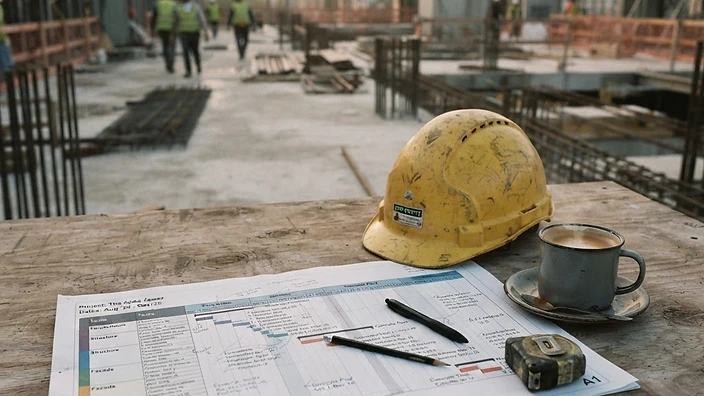
Honest builders talk about schedules realistically. These are the factors that most commonly affect residential construction timing.
A construction schedule is a plan built around dependencies. Certain tasks cannot begin until previous work is complete, inspected, or supported by delivered materials. Understanding those dependencies helps homeowners distinguish an avoidable delay from a condition that requires a thoughtful adjustment.
Concealed conditions
Opening walls or floors can reveal damaged framing, outdated wiring, moisture issues, or previous work that was not documented. The team may need to investigate, consult a specialist, revise details, or obtain approval before continuing safely.
Ask how discoveries will be communicated and how any resulting cost or schedule changes will be documented. A clear process is more useful than a promise that no surprises will occur.
Review and inspection timing
Permit review, requests for additional information, and inspection availability can influence the sequence of work. Some phases cannot be covered or advanced until required inspections are complete.
Requirements and timing vary by jurisdiction and project. Your team should identify the relevant approval milestones and update the plan when new information becomes available rather than presenting outside review dates as guaranteed.
Material availability and selections
A product's delivery date can affect several trades. Cabinets, windows, fixtures, and specialized equipment may need to be selected well before their installation dates.
Keep a selection calendar and ask which decisions are on the critical path. Before substituting a delayed product, confirm compatibility, dimensions, installation requirements, and any necessary design approvals.
Changes to the agreed work
A requested change may require more than additional labor. It can affect drawings, ordering, inspections, and previously scheduled trades. Ask for a written description of cost and timing implications before approving the change, consistent with the project agreement.
Weather and site access
Rain, excessive heat, site conditions, and delivery access can affect certain activities. Weather-sensitive work should be considered when planning the sequence, but a contingency is not a guarantee against disruption.
How homeowners can help
- Make selections by the agreed deadlines.
- Keep approvals and decisions documented.
- Raise access or occupancy constraints early.
- Review updated milestones during regular project meetings.
- Ask what changed and which next steps depend on it.
Useful schedule communication explains the cause, the effect, and the response. Book a Free Consultation to discuss how planning and coordination relate to your project.
Source note: General planning guidance. Verify property-specific requirements with your local planning and building departments, utility providers, and qualified project professionals.
Disclaimer
This article is general information, not legal, engineering, architectural, tax, or code advice. Requirements vary by property, jurisdiction, project, and current regulations. Please verify project-specific requirements with the appropriate professionals and your local building department.
Planning a project? Start with Liri Builders through our client page so your inquiry and follow-up stay connected in LiriOS.
Contact Our Team