
Remodeling Planning
What to Consider Before Starting a Whole-Home Remodel
Liri Builders Team · 2 min read · October 22, 2026
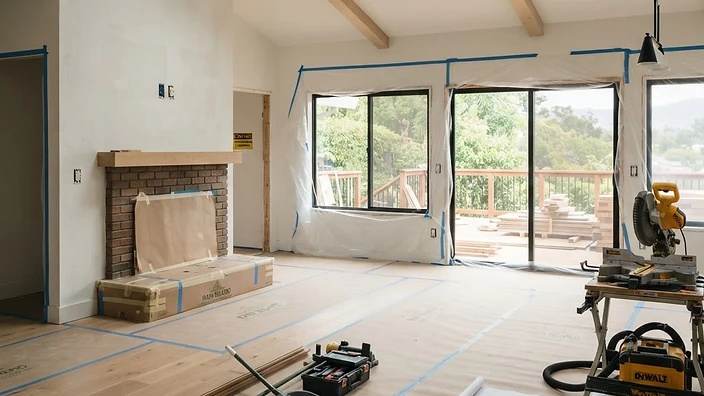
The decisions that shape a successful whole-home remodel happen before demolition — here's what to think through first.
A whole-home remodel is a series of connected decisions, not just a collection of room upgrades. Changes to one space can affect circulation, utilities, structure, and daily life elsewhere in the home. Early planning helps you decide which improvements belong together and which can wait.
Define your priorities
Start with the problems you want to solve. Separate essential needs from preferences: more accessible circulation, better storage, improved lighting, additional bathrooms, or a kitchen that works for your household. Describe how you use the home rather than starting only with inspiration images.
Rank your priorities before developing a detailed design. This gives your team a basis for evaluating trade-offs when space, budget, or existing conditions limit the options.
Understand the existing home
Gather available drawings, permit history, and information about previous repairs. Discuss whether further investigation is needed for structural conditions, electrical capacity, plumbing, drainage, or moisture concerns.
Older materials and concealed conditions may require specialist evaluation. Do not assume that a cosmetic change will remain cosmetic once walls or floors are opened.
Build a complete budget
Consider design and engineering, permits, construction, owner-purchased items, temporary living costs, and contingency. Ask which costs are supported by defined selections and which remain preliminary allowances or assumptions.
Review how the scope could be adjusted if pricing exceeds your comfort level. Keeping a smaller set of priorities clear is often more useful than protecting every early design idea.
Decide how you will live during the work
Remaining in the home may be impractical when essential services or safe access are disrupted. Discuss temporary kitchens, bathroom availability, work-zone separation, pets, children, and remote work.
If you plan to relocate, consider how the rental period and moving costs relate to a schedule that may change. Construction sequencing should be discussed before making fixed commitments.
Align design, approvals, and construction
Confirm who coordinates drawings, engineering, permit submissions, and responses to review comments. Requirements depend on the scope and jurisdiction; verify project-specific expectations with the appropriate professionals and building department.
Before your first project meeting
Bring a priority list, available property records, inspiration images, a comfortable budget range, and any timing constraints. Clear information helps your team identify what to investigate next. Book a Free Consultation to start that conversation.
Source note: General planning guidance. Verify property-specific requirements with your local planning and building departments, utility providers, and qualified project professionals.
Disclaimer
This article is general information, not legal, engineering, architectural, tax, or code advice. Requirements vary by property, jurisdiction, project, and current regulations. Please verify project-specific requirements with the appropriate professionals and your local building department.
Planning a project? Start with Liri Builders through our client page so your inquiry and follow-up stay connected in LiriOS.
Contact Our Team