
Home Improvement Education
Beyond Aesthetics: Selecting Materials for Long-Term Durability in Your Bay Area Home
Liri Builders Team· 3 min read· Published
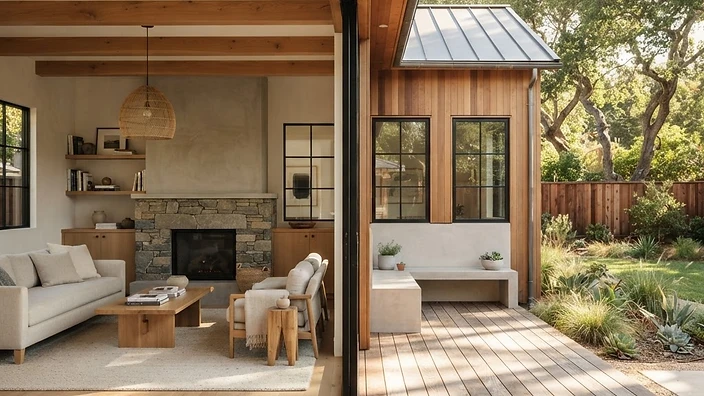
Choosing the right materials for your remodel is about more than style. Learn how to balance durability, maintenance, and local climate factors for a lasting home.
When planning a home renovation, it is easy to get lost in the visual appeal of showroom samples. However, for Bay Area homeowners, the most successful projects are those that prioritize long-term performance alongside design. Selecting materials that withstand our unique regional climate—from coastal moisture to inland heat—is the key to reducing future maintenance and ensuring your investment holds its value. ## The Climate-First Approach to Material Selection Before selecting a finish, consider the environmental stressors your home faces. Materials that perform beautifully in one microclimate may struggle in another. For instance, exterior siding must be evaluated for fire resistance and moisture tolerance, while interior flooring choices should account for humidity fluctuations that can cause wood to expand or contract. Rather than choosing based on trends, evaluate materials through the lens of your specific property. Ask your design-build team how a material handles UV exposure, hard water, or seasonal temperature shifts. A material that requires frequent sealing or specialized cleaning may look stunning on day one, but it can become a burden over the next decade. ## Balancing Durability and Maintenance A common mistake is equating 'premium' with 'low maintenance.' Some high-end natural stones, for example, require rigorous sealing to prevent staining, whereas engineered alternatives might offer similar aesthetics with significantly less upkeep. When reviewing your project scope, ask these questions: How often does this material require professional maintenance? Are replacement parts or matching materials likely to be available in 20 years? Is the material compatible with the way your household actually uses the space? For high-traffic areas like kitchens and bathrooms, prioritizing durability is essential. For more information on how we approach these high-impact spaces, visit our Kitchen and Bathroom Remodeling page. ## A Practical Checklist for Material Selection Use this checklist during your preconstruction planning to ensure your choices align with your long-term goals: * Climate Compatibility: Does the material tolerate the specific temperature and humidity levels of your neighborhood? * Maintenance Requirements: Have you reviewed the manufacturer’s care instructions? Are you prepared for the required cleaning or sealing schedule? * Service Life: What is the expected lifespan of the material under normal use? * Repairability: If a section is damaged, can it be repaired individually, or does the entire surface require replacement? * Sustainability and Health: Does the material have low-VOC emissions? Is it sourced responsibly? * Warranty Terms: What does the manufacturer’s warranty cover, and what are the conditions for maintaining that coverage? ## Integrating Materials into the Design-Build Process Material selection should never be a disconnected exercise. It is a critical component of your overall project strategy. By integrating these decisions into the Preconstruction and Design-Build Planning phase, you can identify potential maintenance issues before they are installed. This proactive approach allows you to make informed trade-offs, ensuring that your budget is allocated toward materials that provide the greatest return in comfort and longevity. Remember that no single material is perfect for every application. The best path is one that balances your aesthetic vision with the practical realities of your home’s location and your lifestyle. Ready to start planning a home that is built to last? Book a Free Consultation at /consultation.
Source note: Sources consulted: EDR Design Build (https://www.edremodel.com/blog/premium-materials-what-actually-matters, https://www.edremodel.com/blog/luxury-home-construction-guide-for-bay-area-owners), Design Haus (https://designhaus.us/remodeling-building-questions), EMR Heritage (https://emrheritage.com/blog/remodeling-materials-los-angeles), Truitt & White (https://truittandwhite.com/blog/smart-sustainable-and-strong-how-to-select-environmentally-responsible-building-materials, https://truittandwhite.com/what-is-sustainable-building), Springer Nature (https://link.springer.com/article/10.1007/s44268-025-00069-3), StopWaste (https://www.stopwaste.org/buildings-construction/sustainable-materials), Projectific (https://projectific.com/blogs/materials-resources/sustainable-building-materials), Trade Grade Tools (https://tradegradetools.com/materials/how-to-choose-the-best-home-building-materials-and-design-for-your-project). Note: The cover image is an AI-generated illustrative concept and not a completed Liri Builders project. Cover image: AI-generated illustrative concept, not a completed Liri Builders project.
Disclaimer
This article is general information, not legal, engineering, architectural, tax, or code advice. Requirements vary by property, jurisdiction, project, and current regulations. Please verify project-specific requirements with the appropriate professionals and your local building department.
Talk through your next steps
Discuss your goals, scope, budget expectations, and timing so we can plan your next steps together.
Book Your Remodeling ConsultationCall 925-471-8088